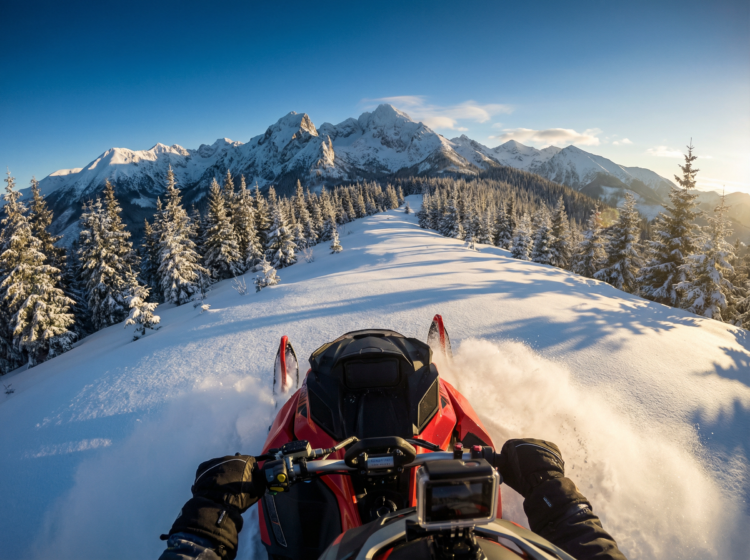
Picture this: You’re standing at the foot of snow-capped peaks, the crisp mountain air filling your lungs, and a powerful snowmobile waiting to carry you through terrain you’ve only seen in winter postcards. This wasn’t in the Swiss Alps or the Norwegian fjords—this was Poland, and I was about to discover why the Tatra Mountains have become one of Europe’s best-kept secrets for winter adventure.
I’ll admit, Poland wasn’t my first thought when planning a snowmobiling trip. But after hearing rave reviews and seeing the price difference compared to traditional Alpine destinations, I decided to give it a shot. What followed was an adrenaline-fueled day that exceeded every expectation and left me wondering why more adventure seekers haven’t discovered this gem.
The Tatra Mountains, straddling the Polish-Slovak border, offer rugged terrain, pristine snow conditions, and a fraction of the crowds you’d find in more famous European ski resorts. By the end of this article, you’ll know exactly what to expect from a Polish snowmobiling adventure and how to plan your own epic mountain experience.
Planning the Snowmobiling Adventure in Poland
Choosing the Right Location
Poland offers three main mountain ranges for winter sports: the Tatras, the Karkonosze, and the Bieszczady. Each has its charm, but the Tatras stand unrivaled for snowmobiling.
The Tatra Mountains provide the perfect combination of challenging terrain, stunning alpine scenery, and well-established infrastructure for winter sports. The dramatic peaks reach over 2,500 meters, creating a landscape that rivals any European mountain range.
Zakopane, Poland’s winter capital, serves as the primary base for most snowmobiling operations. This charming mountain town sits at the foot of the Tatras and buzzes with energy throughout winter. Białka Tatrzańska, about 30 kilometers east, offers a quieter alternative with equally impressive access to snowmobiling routes.
Logistics and Preparation
I chose to book an organized tour rather than attempt independent rental. This decision proved wise—navigating unfamiliar mountain terrain in winter demands local expertise and proper safety measures.
Cost breakdown: My full-day snowmobile experience cost approximately €120 per person. This included equipment rental, guide services, safety gear, and insurance. Compare this to similar experiences in Scandinavia (€250-300) or the Alps (€200-250), and the value becomes clear.
The best time for snowmobiling in Poland runs from December through March, with February offering the most reliable snow conditions. I visited in early February when snow depth was perfect and temperatures hovered around -5°C to -10°C—cold enough for excellent snow but manageable with proper clothing.
Essential gear includes:
- Thermal base layers
- Waterproof winter jacket and pants
- Insulated gloves
- Warm boots with good grip
- Neck warmer or balaclava
- Goggles or sunglasses
The tour operator provided helmets and additional outerwear, but I was glad I brought my own quality layers.
Setting Expectations
Zero prior snowmobiling experience? No problem. My group included complete beginners, and the guides expertly accommodated all skill levels.
Safety briefings in Poland take about 30 minutes and cover everything from basic controls to emergency procedures. Polish regulations require all participants to be at least 18 years old to drive (younger riders can join as passengers) and possession of a valid driver’s license.
Physical fitness requirements are moderate. You need enough strength to control the machine and stamina to handle several hours in cold conditions, but you don’t need to be an athlete. If you can ride a bicycle and have reasonable core strength, you’ll manage fine.
The Snowmobiling Experience: Hour by Hour
First Impressions and Getting Started
Our group of eight met at 9 AM at a mountain base just outside Zakopane. Our guide, Marek, embodied that perfect mix of professionalism and mountain-man charm that immediately put everyone at ease.
After suiting up and receiving our helmets, we gathered around the snowmobiles for the safety demonstration. Marek explained the controls—simpler than I expected—and demonstrated proper riding posture and hand signals for communication during the ride.
The initial test runs took place on flat, open terrain. My first acceleration felt like pure power—these machines respond instantly to throttle input. After a few wobbly starts and overly cautious turns, muscle memory kicked in and confidence built quickly.
The Main Adventure Through Mountain Terrain
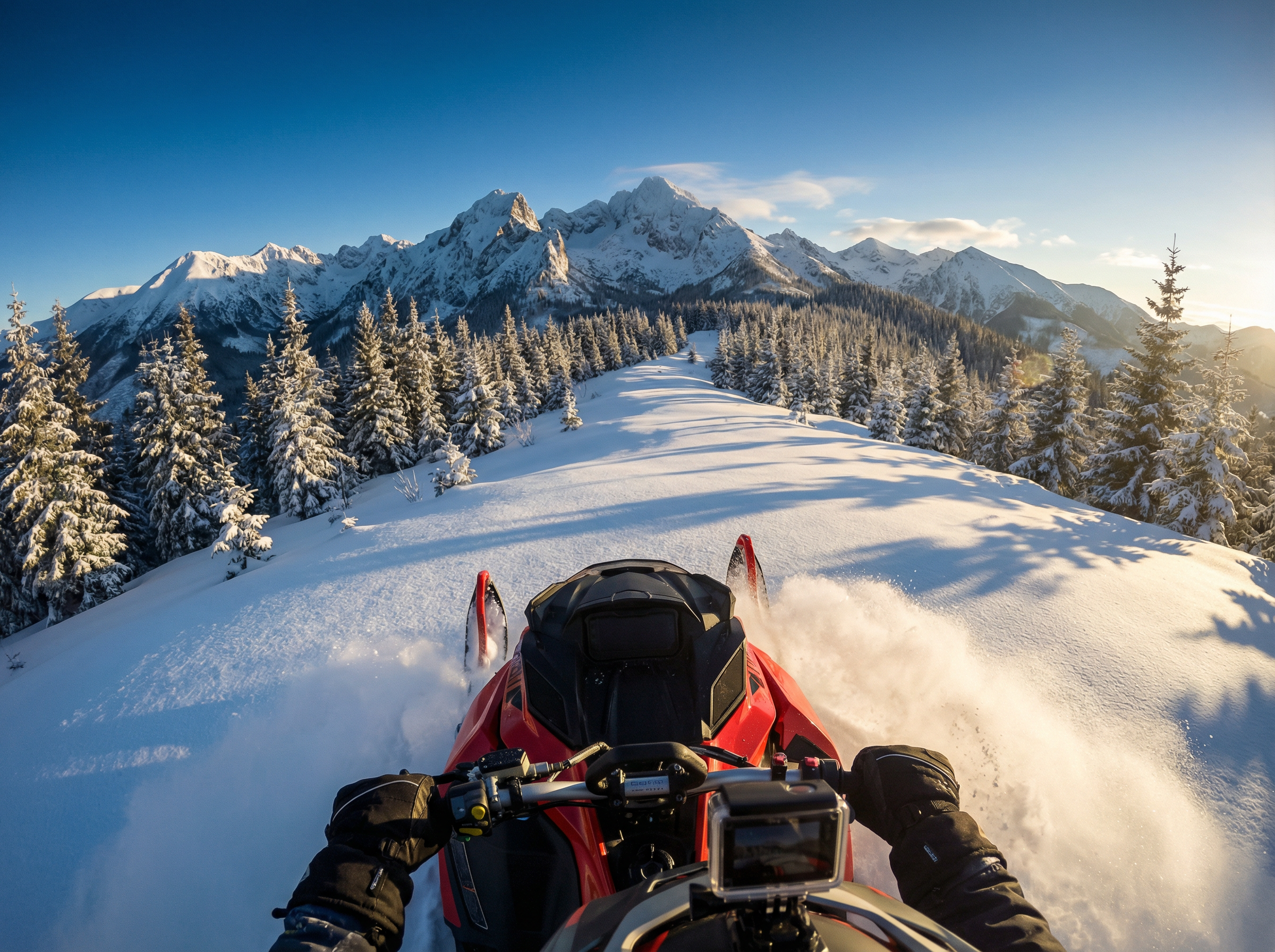
Once everyone demonstrated basic control, we headed into the mountains. The transformation from practice area to wilderness happened within minutes.
We followed narrow forest trails where snow-laden pine branches formed natural tunnels overhead. The landscape opened into vast white expanses where the only sounds were our engines and the wind. Every turn revealed new vistas—jagged peaks piercing blue sky, valleys filled with untouched powder, and distant mountain ridges stretching to the horizon.
The adrenaline moments came frequently: steep ascents where you needed full throttle and forward lean to climb, descents requiring careful braking, and powder sections where the snowmobile plowed through knee-deep snow. Each challenge felt achievable but thrilling.
We made several photo stops at viewpoints that would make any Instagram feed jealous. Marek knew exactly where to pause for the best angles and gave us time to absorb the scenery without feeling rushed.
Wildlife sightings added magic to the experience. We spotted deer tracks crossing our path and glimpsed a fox darting through the trees. Marek explained that the Tatras support diverse wildlife, though spotting animals requires luck and quiet patience.
The group camaraderie developed naturally. Shared excitement, helping each other navigate tricky sections, and collective “wow” moments at spectacular views created an instant bond among strangers.
Challenges and Unexpected Moments
The weather shifted dramatically around midday. Clear morning skies gave way to light snowfall, which reduced visibility but added atmospheric beauty. Marek adapted our route, choosing paths that offered better protection and easier navigation.
My main technical challenge came during a steep forest descent. I braked too hard, causing the back end to slide sideways. My heart jumped, but Marek had positioned himself perfectly to guide me through the correction. These learning moments happened for everyone, and the expert guidance prevented any serious issues.
The physical demands surprised me. After three hours, my forearms burned from gripping the handlebars, and my core muscles ached from maintaining balance and absorbing bumps. Regular breaks helped, but you definitely feel the workout.
Marek’s pace management kept everyone safe and comfortable. He regularly checked on the group, adjusted speed based on conditions, and never pushed anyone beyond their comfort zone.
Beyond the Ride: The Complete Polish Mountain Experience
Cultural Elements That Enhanced the Adventure
Midway through our adventure, we stopped at a traditional mountain hut where warm tea and oscypek (smoked sheep cheese) waited. This break exemplified Polish mountain hospitality—simple, authentic, and delivered with genuine warmth.
The górale, or Polish highlanders, maintain strong cultural traditions in the Tatras. Their distinctive dialect, traditional wooden architecture, and culinary heritage add layers of authenticity to any mountain visit. Our guide shared stories about górale customs and pointed out traditional shepherd huts dotting the landscape.
Comparing Poland to Other Snowmobiling Destinations
Having snowmobiled in Finland and Austria previously, I can confidently say Poland offers exceptional value. You get similar terrain quality, equally professional operations, and arguably better cultural immersion—all for 40-60% less cost.
The Polish mountain landscape feels wilder and less commercialized than the Alps. You won’t find crowded trails or endless tourist infrastructure. This rawness appeals to those seeking authentic adventure over polished resort experiences.
For international travelers, Poland provides excellent accessibility. Kraków’s international airport sits just 90 minutes from Zakopane, with regular bus and transfer services. You can land in Kraków in the morning and be snowmobiling that afternoon with KrakowDirect.
Complementary Activities in the Area
The Tatra region offers incredible variety for multi-day trips. World-class skiing and snowboarding operate at Kasprowy Wierch and nearby resorts. After our snowmobile adventure, I spent the following day exploring Zakopane’s ski slopes—the vertical drops and modern lifts impressed me.
Thermal springs provide the perfect recovery after a day of adventure. Several facilities near Białka Tatrzańska feature naturally heated pools where you can soak tired muscles while surrounded by mountain views.
Zakopane’s après-snowmobile scene centers around Krupówki, the main pedestrian street lined with restaurants, bars, and cafes. Traditional górale taverns serve hearty mountain food—think grilled meats, potato pancakes, and żurek (sour rye soup). The nightlife balances lively bars with cozy venues perfect for unwinding.
Practical Takeaways and Recommendations
Who Should Try Snowmobiling in Poland
This adventure suits thrill-seekers and first-timers equally well. The guided tour structure removes intimidation while delivering genuine adventure.
Family-friendly options exist, though most operators set minimum ages between 10-12 for passengers and 18 for drivers. Some companies offer special family tours with shorter routes and gentler terrain.
Solo travelers integrate easily into group tours. I traveled alone and never felt awkward—shared adventure creates instant connections. However, many operators offer better per-person rates for pairs sharing a snowmobile versus solo riders on individual machines.
Essential Tips for Future Snowmobilers
Pack smart:
- Bring hand and foot warmers (essential for February conditions)
- Carry a small backpack with water, snacks, and extra gloves
- Use a neck strap for cameras or phones—you’ll drop items otherwise
- Leave valuables and unnecessary items at your accommodation
Photography tips: Mount action cameras on helmets for hands-free recording. For phone photos, stop completely before removing gloves—frostbite develops quickly on exposed fingers. Take wide-angle shots to capture the expansive landscapes.
Common mistakes to avoid:
- Overdressing (you’ll generate heat while riding and overheat)
- Gripping handlebars too tightly (leads to arm fatigue)
- Looking down at obstacles (look where you want to go, not at hazards)
- Skipping the pre-ride briefing (every location has unique safety considerations)
Tour Operators and Booking Recommendations
Based on my experience, look for operators offering:
- Maximum group sizes under 10 people
- Modern, well-maintained equipment
- Professional insurance coverage
- Flexibility to adapt routes based on weather
- Multi-language guide options
Red flags include: Operators without proper licensing, unusually cheap prices suggesting inadequate insurance or maintenance, no safety briefings, or reviews mentioning poor equipment condition.
Book directly with reputable companies for best rates. Off-peak pricing (early December, late March) can save 20-30%, though snow conditions become less predictable.
Final Reflections: Why This Adventure Was “Epic”
Standing atop a mountain pass, engine idling, surrounded by pristine wilderness—that moment crystallized why this adventure deserved the “epic” label. I’d conquered initial fears about controlling a powerful machine in challenging conditions and discovered capabilities I didn’t know I had.
Poland’s adventure tourism sector remains wonderfully under-the-radar. While crowds pack Alpine resorts, the Tatras offer space, authenticity, and equivalent thrills at accessible prices. This discovery felt like finding a secret that deserves wider recognition.
The memorable moments stack up: That first steep climb where adrenaline spiked, the group’s collective awe at mountain vistas, the traditional cheese break in the mountain hut, and the satisfying exhaustion at day’s end knowing I’d fully earned it.
Would I repeat this experience? Absolutely. In fact, I’m already planning a return trip to explore different routes and experience the Tatras in different seasons.
If you’re sitting on the fence about trying snowmobiling or questioning whether Poland can deliver genuine mountain adventure, let me make it simple: Book the trip. Step outside your comfort zone and into the Polish mountains. The combination of natural beauty, cultural richness, physical challenge, and sheer fun creates an experience that stays with you long after the snow melts.
The Tatras are waiting. Your snowmobile is ready. The only question is: when will you start your own epic Polish mountain adventure?